
4. Millard Fillmore
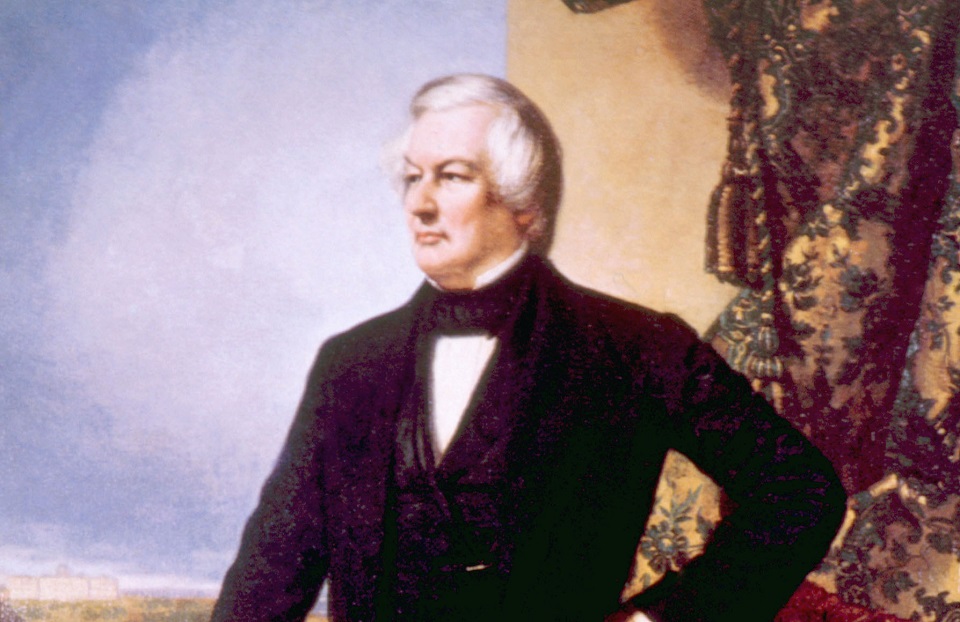
Born in a log cabin on New York’s frontier on January 7, 1800, Millard Fillmore’s meteoric rise from small town lawyer to a member of the U.S. House of Representatives, then from being the 12th Vice President of the United States to being elected as the nations 13th commander-in-chief after the death of then-president Zachary Taylor, has all the ingredients of being a memorable story. Sadly for Fillmore, like our previous entry John Tyler, he had quite a talent for upsetting everyone.
After assuming the presidency in July 1850, Fillmore became wholly obsessed with passing what became known as the Compromise of 1850. This was a package of five separate bills designed to quell confrontations between slave and free states on the status of territories acquired in the Mexican–American War.
Fillmore’s handling of the situation was widely criticized as he was seen to be treating the conflict as a political rather than a moral question. He also somehow managed to anger both pro- and anti-slavery factions. The decision to support the Compromise of 1850 would see him unite people, but only in their dislike for him as a President and do little to quell the rising tensions that would eventually lead to civil war.