
When you examine modern American governance, direct confrontations with Donald Trump define the careers of several powerful women. These high-stakes clashes have reshaped congressional majorities, state legal strategies, and national political dynamics.
You cannot understand shifting constitutional boundaries without analyzing how these female leaders exercise authority. They wield statutory gavels, Senate committee votes, and executive power to challenge White House directives directly.
From state attorneys general to senior lawmakers, their strategic choices demonstrate how institutional leverage functions under extreme pressure. Tracking their decisions provides you with a clear roadmap of contemporary checks and balances.
The Flashpoint: Confronting Executive Power in Real Time
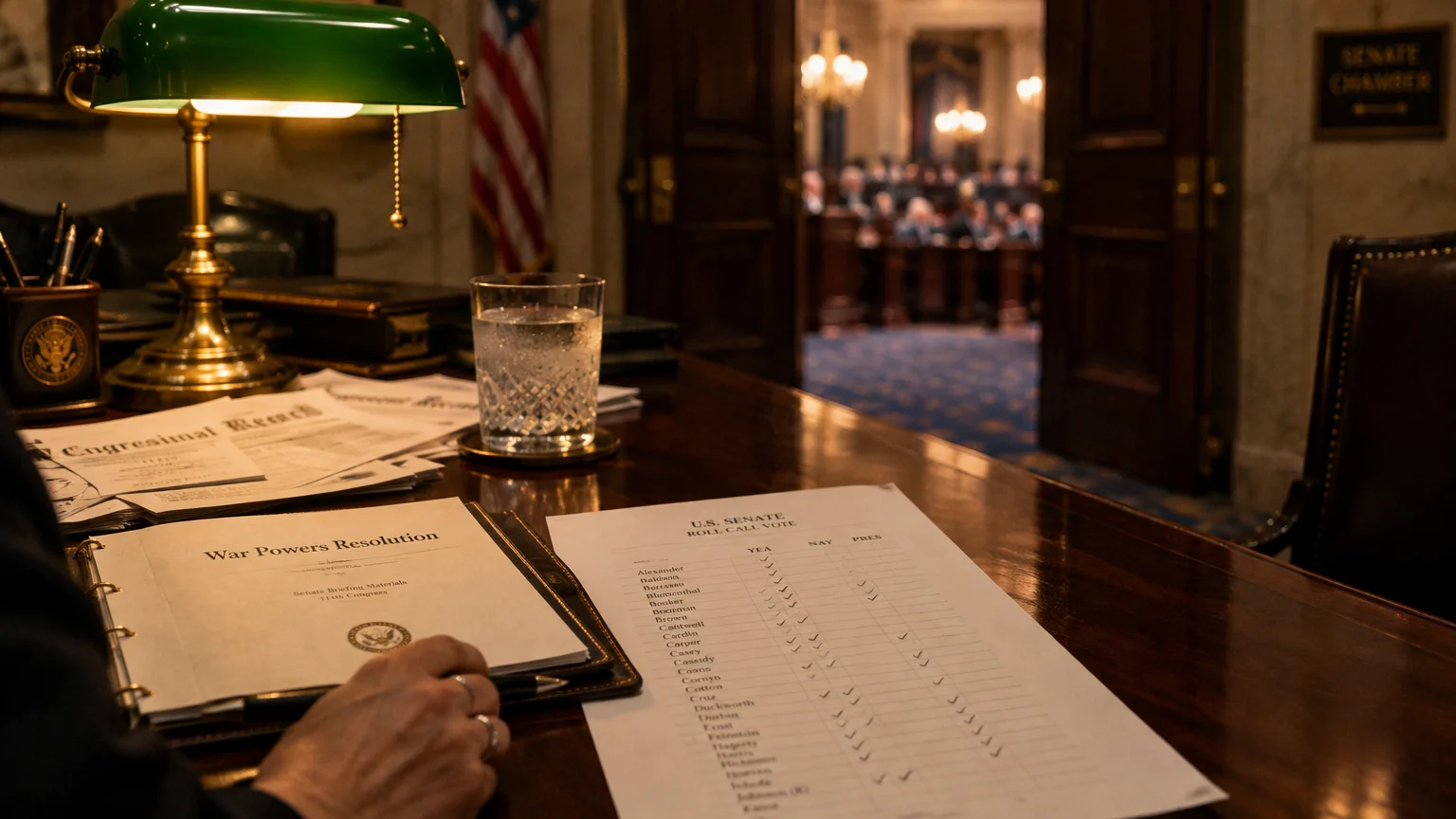
You witnessed a dramatic display of institutional tension when the Senate convened for a pivotal foreign policy vote. Alaska Senator Lisa Murkowski broke party ranks, voting to restrict presidential military actions in Venezuela.
Murkowski stood firm despite immediate public attacks from Donald Trump, who branded her a disaster and a loser. Her stance signaled that veteran legislators still held the power to disrupt White House foreign policy priorities.
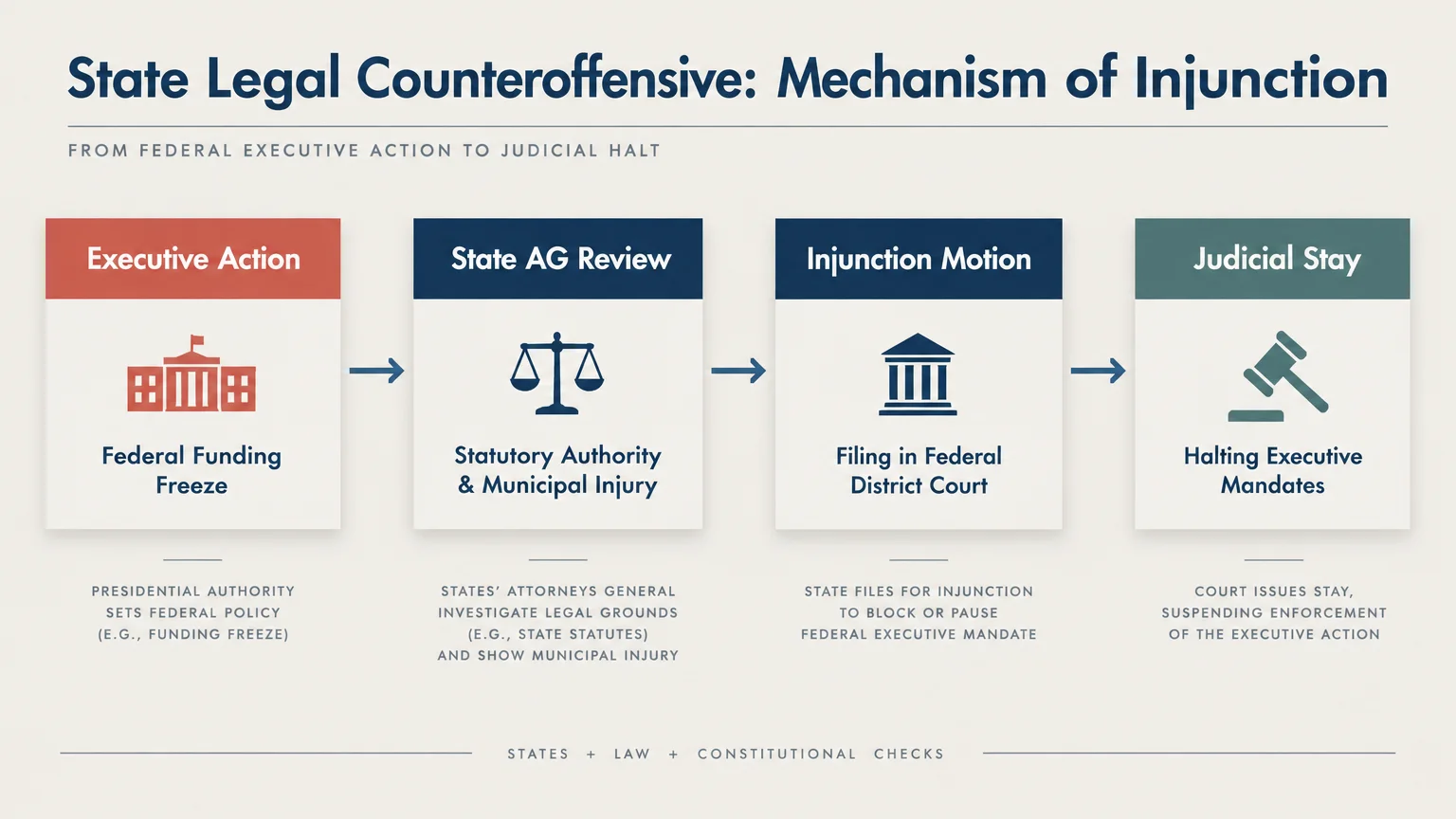
Simultaneously in New York, Attorney General Letitia James expanded her courtroom counteroffensive against federal directives. James systematically filed legal motions to stop executive agencies from freezing congressionally approved municipal funding.
These coordinated flashpoints proved that institutional resistance relied on strategic maneuvers rather than rhetorical posturing. You see this dynamic unfolding in state capitols, federal courtrooms, and congressional hearing chambers nationwide.
Female leaders across both political parties have mounted some of the most durable challenges to Trump’s authority. Their actions show you how statutory authority can blunt executive mandates when applied with rigorous precision.
Early Formation: Roots of Defiance Across Party Lines
You can trace the resilience of these leaders back to the formative battles that established their political careers. None of them arrived at national influence by taking conventional, frictionless paths to power.
Lisa Murkowski learned political survival early when Alaska party leaders bypassed her in the 2010 primary election. She launched a historic write-in campaign, defeating both partisan opponents to secure her independent base.
That successful defiance taught Murkowski that constituent loyalty in Alaska mattered far more than national party orthodoxy. You see that same independent calculation guide every vote she casts against executive overreach today.
Letitia James forged her legal philosophy inside the courtrooms of the Legal Aid Society in Brooklyn. She spent years representing low-income tenants before climbing through municipal politics to become New York City Public Advocate.
That background instilled a belief that the law must serve as an aggressive shield against concentrated power. When she became Attorney General, James brought that prosecutorial combativeness directly to the state level.
Nancy Pelosi developed her strategic instincts in Baltimore ward politics before mastering legislative mechanics in San Francisco. She learned early that legislative power requires absolute vote discipline and total command of procedural rules.
Pelosi translated that mastery into historic leadership, twice seizing the Speaker’s gavel and setting the standard for institutional opposition. Her career showed you how legislative process can stop White House initiatives cold.
Nikki Haley navigated South Carolina state politics by challenging entrenched legislative networks as an outsider. Her subsequent tenure as United Nations Ambassador gave her an international platform and a distinct foreign policy voice.
Gretchen Whitmer developed her pragmatic negotiating style in the minority trenches of the Michigan state legislature. She prioritized bread-and-butter constituent needs, building an electoral coalition that repeatedly won critical swing-state battlegrounds.
The Legal Arena: Prosecutors Under Federal Pressure
State courtrooms have become the sharpest battlegrounds where female officials directly confront executive power. You can see how state legal authority creates structural roadblocks against sweeping presidential initiatives.
Letitia James and the Fight Over Executive Grabs
Letitia James has conducted the most aggressive and protracted legal campaign against Trump’s business empire and administrative actions. You can track her office filings through the New York Attorney General public records system.
In August 2025, an appeals court voided the $364 million civil fraud penalty originally ordered against Trump. Rather than retreating, James pivoted her legal apparatus toward federal administrative overreach and executive spending decisions.
The White House responded aggressively to her continued courtroom resistance. On October 9, 2025, the Justice Department indicted James on federal bank fraud charges in Virginia under interim U.S. Attorney Lindsey Halligan.
Federal records at the Department of Justice revealed the fragility of the government’s retaliatory case. A federal judge dismissed the indictment without prejudice on November 24, 2025.
Federal prosecutors attempted to revive the matter, but two separate grand juries declined to re-indict James in December 2025. That legal victory reinforced her position as an unyielding institutional adversary.
New York voters validated her aggressive posture at the ballot box. On November 3, 2026, James won re-election as Attorney General, securing a fresh mandate from constituents.
James immediately leveraged that mandate into major victories against federal agencies. On July 17, 2026, she secured summary judgment blocking the administration and the Department of Government Efficiency from canceling state grants.
She followed that victory on September 30, 2026, by suing the Department of Housing and Urban Development. Her complaint blocked the pocket rescission of $56.1 million intended for vital housing counseling programs.
These legal victories demonstrate how you can track statutory compliance through state litigation. James turned New York’s legal office into an indispensable constitutional check against White House budget impoundments.
Fani Willis and the Georgia Battleground
In Fulton County, Georgia, District Attorney Fani Willis mounted an unprecedented racketeering prosecution concerning 2020 election interference. Her expansive legal strategy confronted presidential authority in local southern courtrooms.
Willis faced relentless political scrutiny and formal disqualification proceedings that eventually removed her from the high-profile prosecution. Replacement prosecutor Pete Skandalakis took control of the case files in November 2025.
On November 26, 2025, Fulton County Superior Court Judge Scott McAfee officially dismissed the racketeering charges against Trump and his co-defendants. The dismissal closed a historic chapter of state-level criminal prosecution.
Yet Willis refused to abandon the institutional legal fight. In February 2026, she filed a formal legal brief to protect county resources against massive financial liabilities.
Her brief blocked nearly $17 million in legal fee reimbursement claims filed by Trump’s former co-defendants under a 2025 Georgia law. Willis demonstrated that local district attorneys can defend public funds against post-trial claims.
Fulton County voters endorsed her uncompromising record during her November 2024 re-election campaign. She secured victory by winning 68.1% of the vote against 31.9% for her challenger.
With her term running through 2029, Willis remains an influential regional prosecutor. Her tenure proves that local prosecutors retain substantial leverage, even when facing extraordinary political blowback.
The Capitol Trench: Legislative Resistance and the Cost of Dissent
Capitol Hill provides the ultimate constitutional venue for checking presidential authority. You see how individual senators and house leaders use procedural rules to alter national policy trajectories.
Lisa Murkowski: Holding the Appropriation Levers
Lisa Murkowski consistently uses her Senate seat to demonstrate the power of legislative independence. You can monitor her complete voting record directly on Congress.gov.
In early 2025, Murkowski broke party lines by voting against confirming Defense Secretary Pete Hegseth and FBI Director Kash Patel. She cited institutional competence and national security stability as her primary motivations.
She also fought executive orders renaming Denali to Mount McKinley, defending Alaska’s indigenous heritage against cultural mandates. Murkowski proved that state regional interests can override executive directives.
In June 2025, Murkowski published her personal memoir, titled Far From Home. The book documented her frequent clashes with Trump and explained her philosophy of legislative autonomy.
Her January 2026 vote on the Venezuela war powers resolution solidified her status as a primary Republican critic. Trump’s repeated verbal attacks failed to erode her standing among moderate voters.
The political landscape shifted dramatically when Democrats captured congressional majorities in the November 3, 2026 midterm elections. Murkowski emerged as the Ranking Member on the powerful Senate Appropriations Committee for January 2027.
From this critical post, Murkowski will clash directly with White House budget director Russ Vought. You should expect her to fiercely defend congressional spending authority against executive impoundment attempts.
Susan Collins: The Electoral Toll of the Moderate Middle
Susan Collins spent three decades building a reputation as a pragmatic Maine centrist in the Senate. Her voting record reflected a delicate balancing act between party unity and moderate independence.
Collins cast a momentous vote to convict Trump during his second presidential impeachment trial. In January 2026, she joined Murkowski to vote for the Venezuela war powers resolution.
Her independent positioning, however, created severe vulnerabilities among polarized voters in Maine. Conservative activists criticized her breaks with Trump, while progressive opponents argued her resistance arrived too late.
On November 3, 2026, Collins faced Democratic challenger Troy Jackson in a grueling general election. Jackson defeated Collins by winning 53.1% to her 46.9%, ending her thirty-year legislative career.
Her electoral defeat offers you an instructive lesson in modern political dynamics. Centrist moderation carries extreme electoral risks when primary bases demand total ideological loyalty.
Nancy Pelosi: Capping a Historic Legislative Career
Speaker Emerita Nancy Pelosi established the modern playbook for checking executive authority from Capitol Hill. Her leadership during two separate impeachments set an enduring standard for legislative oversight.
Pelosi understood how to wield institutional authority, control committee assignments, and maintain caucus discipline under intense national pressure. Her strategic maneuvers denied Trump funding for key executive projects during his first administration.
On November 6, 2025, Pelosi announced she would not seek re-election after nearly forty years in Congress. Her retirement marked the conclusion of an extraordinary legislative era in modern American politics.
On November 3, 2026, Democratic State Senator Scott Wiener won California’s 11th Congressional District, capturing 55.5% of the vote against 44.5% for his opponent. Wiener prepares to assume her seat when her term ends on January 3, 2027.
Pelosi leaves behind an institutional blueprint that incoming congressional majorities will closely follow. Her career showed you how legislative leaders can effectively balance presidential power through rigorous institutional management.

Executive Statecraft: Governors and Former Cabinet Officials
Confrontations with Trump also occur outside Washington’s legislative chambers. State governors and former cabinet officials navigate executive power by balancing sharp criticism with necessary administrative negotiations.
Gretchen Whitmer: Tactical Negotiation in the Rust Belt
Gretchen Whitmer perfected a dual-track strategy during her tenure as Governor of Michigan. She openly criticized White House policies while securing vital federal infrastructure investments for her state.
Whitmer voiced strong opposition to broad federal tariff proposals and aggressive immigration detention facilities in Michigan. She warned that sweeping federal tariffs threatened domestic automotive manufacturing and local supply chains.
Yet Whitmer engaged the administration directly whenever Michigan’s economic interests required decisive executive cooperation. In April 2025, she secured disaster relief funding after leading crucial White House negotiations.
In September 2026, Whitmer held a critical telephone conference with Trump to unfreeze vital federal funding. Her direct intervention released federal capital for the Brandon Road Interbasin Project to protect the Great Lakes.
As term limits end her gubernatorial tenure, Whitmer successfully positioned her preferred successor to maintain these policies. On November 3, 2026, Democratic Secretary of State Jocelyn Benson won the governorship.
Benson, who famously defended Michigan’s 2020 election results, defeated Republican John James by winning 54.6% to 43.7%. This victory preserves Whitmer’s strategic framework for state-level governance.
Nikki Haley: Conservative Pushback from the Outside
Nikki Haley offers you a unique case study in conservative opposition operating from public policy think tanks. She established an influential perch as the Walter P. Stern Chair at the Hudson Institute.
From this research platform, Haley scrutinized Trump’s foreign policy decisions and economic initiatives. She consistently advocated for strong international alliances and traditional fiscal conservatism rather than populist nationalism.
On November 11, 2026, Haley announced that she will not run for the presidency in 2028. That definitive statement freed her to deliver unvarnished critiques of party strategy without immediate campaign constraints.
Haley publicly blamed the White House and its key advisers for the Republican Party’s sweeping 2026 midterm losses. She cited escalating inflation, broad tariffs, and Trump’s 34% approval rating as severe electoral drags.
Her sharp post-election analysis demonstrates the widening philosophical rift within the Republican coalition. Haley continues to provide conservative voters with a distinct alternative to populist White House governance.
Decision Matrix: Strategic Alliances, Donors, and Risk Calculations
When you evaluate how these leaders operate, you must examine their underlying decision matrix. They calculate risk by balancing donor expectations, judicial precedents, and voter sentiment.
State attorneys general rely on coalitions of friendly states to distribute litigation costs and share legal discovery. You can see these collaborative financial structures documented across Federal Election Commission campaign filings.
By filing joint multistate lawsuits, attorneys general insulate individual states from targeted federal retaliation. This coordinated strategy allowed Letitia James to challenge executive spending freezes effectively throughout 2026.
Legislative leaders face entirely different risk calculations when breaking party ranks on key votes. Murkowski relied on strong independent donor networks and local constituent support to survive White House condemnation.
Susan Collins lacked that independent cushion, finding herself caught between alienated partisans and energized opponents. Her loss proves that moderate positioning requires robust structural backing to survive nationalized midterm elections.
Executive governors like Whitmer use tangible state economic results to justify selective cooperation with political adversaries. Delivering clean water infrastructure or disaster relief neutralizes partisan attacks from both political flanks.
You can use this analytical matrix to predict how future officials will handle executive pressure. Leaders with independent fundraising and clear statutory authority consistently mount the most durable challenges.
Public Perception and Electoral Realities
Voter sentiment continuously shapes the boundaries of public clashes between Trump and female leaders. You can track this dynamic through recent election results and national polling trends.
The November 3, 2026 midterm elections served as a sweeping national referendum on executive authority. Democratic victories in the House and Senate restored divided government and established legislative oversight.
Exit polling revealed that economic instability and aggressive executive actions alienated independent suburban voters. Donald Trump’s 34% job approval rating heavily depressed turnout among mainstream conservative bases.
Voters rewarded officials who demonstrated tangible institutional resistance against executive spending impoundments. Letitia James and Jocelyn Benson secured decisive statewide victories by defending consumer programs and electoral integrity.
Conversely, voters rejected lawmakers who appeared caught between competing factions during high-stakes votes. The defeat of Susan Collins underscored the intense polarization dominating congressional battlegrounds nationwide.
Public opinion increasingly favors leaders who wield clear legal authority rather than those who rely on rhetorical grandstanding. You see voters demanding concrete legislative and legal checks against unilateral White House actions.
Frequently Asked Questions
How do state attorneys general maintain legal challenges against federal retaliation?
State attorneys general rely on statutory authority and multistate coalitions to sustain litigation against federal agencies. They coordinate across jurisdictions to file joint motions and share appellate burdens.
This collective strategy protects individual states from selective federal retribution or sudden grant cancellations. Independent state constitutional authority ensures their legal standing remains viable in federal courts.
What leverage will Lisa Murkowski wield on Senate Appropriations?
Murkowski will serve as Ranking Member of the Senate Appropriations Committee beginning in January 2027. She gains immense leverage over federal agency budgets and discretionary spending allocations.
You can track impoundment disputes through the Government Accountability Office database. Murkowski will work across party lines to block executive rescissions that bypass congressional approval.
Why did Susan Collins lose her Senate seat in 2026?
Collins faced an energized Democratic opponent, Troy Jackson, in an intensely polarized electoral environment. Jackson secured 53.1% of the vote by consolidating progressive voters and winning working-class communities.
Collins struggled to retain conservative turnout after voting to convict Trump and opposing Venezuela military actions. Her loss shows how nationalized partisanship dismantled the traditional moderate middle in Maine.
How did the 2026 midterm results shift congressional oversight?
Democratic majorities in both the House and Senate restored aggressive committee subpoena authority over federal agencies. Lawmakers can now investigate executive orders, personnel appointments, and internal White House directives.
Divided government forces the administration to negotiate over federal budgets and debt statutory limits. You should monitor congressional committee calendars to track upcoming investigative hearings and oversight actions.
Outlook: Monitoring the Next Phase of Governance
You are entering a high-stakes period of divided government defined by intense constitutional friction. The return of congressional oversight will dramatically slow unilateral administrative rulemakings across federal agencies.
Monitor Lisa Murkowski’s committee actions as she confronts White House budget officials over statutory spending authority. Her votes will reveal whether moderate Republicans and congressional Democrats can maintain spending coalitions.
Track Letitia James’s ongoing federal lawsuits challenging administrative impoundments and executive reorganizations. Court rulings in these cases will determine the legal limits of presidential control over state grants.
Watch how emerging leaders like Michigan Governor-elect Jocelyn Benson handle executive interactions during regional crises. Their choices will illustrate how state executives balance principled resistance with vital constituent needs.
These women have established enduring models for exercising institutional power under severe political crosswinds. Their strategic playbooks will guide American governance and constitutional checks for years to come.